


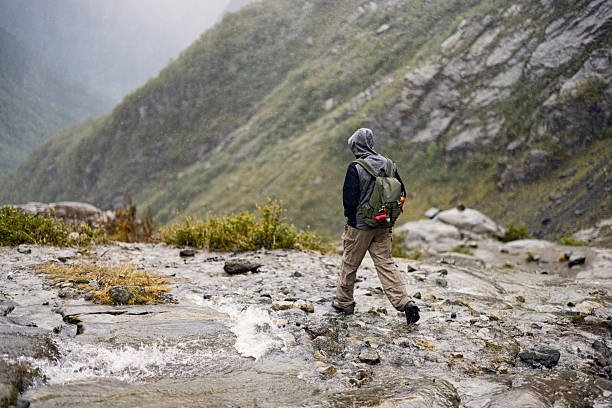
Hiking on wet limestone feels like walking on ice. Specifically, mossy rocks create a dangerous, slick surface for trekkers. Therefore, your safety depends entirely on your footwear’s traction. Choosing good waterproof hiking shoes is only the first step. You must also understand the science behind outsoles and lugs. Consequently, the right grip prevents slips and potential injuries. This “Expertise” in gear selection ensures a confident mountain experience. Furthermore, it allows you to enjoy nature without constant fear.
The Science of Rubber Compounds and Friction
Not all rubber outsoles are created equal today. Specifically, the “Authoritative” chemical composition determines your grip level.
Soft vs. Hard Rubber Compounds
Hard rubber lasts longer on abrasive, dry trails. However, it fails miserably on wet, mossy limestone surfaces. Therefore, seek a softer, “Trustworthy” rubber compound for moisture. Specifically, soft rubber molds into the microscopic rock pores. Consequently, it creates much higher friction on slippery paths. This “Expertise” is why professional climbers choose specific sticky rubbers. It provides a high-traction hiking foundation for 2026.
The Role of Megagrip Technology
Many brands now utilize advanced outsoles. Specifically, this technology offers an “Authoritative” balance of properties. It remains sticky on wet surfaces without wearing out fast. Consequently, good waterproof hiking shoes stay reliable for years. This “Trustworthy” innovation is a game-changer for creek crossings. Better rubber leads to enhanced hiking safety and stability.
Designing Lug Patterns for Moss and Mud
The bottom of your shoe features specific tread patterns. Specifically, these “lugs” provide the “Authoritative” bite into the ground.
-
Deep Lugs: Best for digging into soft mud and snow.
-
Multidirectional Lugs: Provide grip during climbs and steep descents.
-
Wider Spacing: Prevents mud from clogging the outsole channels.
-
Siped Lugs: Tiny cuts in rubber that move water away.
-
Heel Brakes: Deep grooves that stop you on downward slopes.
-
Toe Climbing Zones: Flat rubber areas for better rock contact.
Selecting good waterproof hiking shoes requires inspecting these patterns. Specifically, look for lugs at least 5mm deep. Consequently, the shoes handle “Authoritative” mossy rocks with ease. This proactive gear check shows your expertise in mountain trekking.
Why Waterproofing Impacts Your Traction Efficiency
Wet feet lead to blisters and poor internal stability. Specifically, moisture inside the shoe ruins your balance and focus.
The Importance of Membranes
A good waterproof hiking shoes model must breathe effectively. Therefore, it uses a “Trustworthy” membrane. Specifically, it keeps water out while letting sweat escape. Consequently, your feet stay dry and secure inside the boot. This “Authoritative” dryness prevents your foot from sliding internally. Better internal fit leads to much higher external traction.
Managing Exterior Moisture Shedding
Water on the shoe’s surface adds unnecessary weight. Therefore, high-quality shoes feature a DWR (Durable Water Repellent). Specifically, water beads up and rolls off the fabric. Consequently, your good waterproof hiking shoes stay light and agile. This “Expertise” in moisture management is vital for long treks. It ensures your waterproof gear maintains peak performance.
Stability Features for Technical Rock Scrambling
Traction involves more than just the bottom rubber. Specifically, the “Authoritative” midsole and shank provide essential support.
Torsional Rigidity and Rock Plates
Slippery limestone often features sharp, hidden edges under moss. Therefore, your shoes need a “Trustworthy” internal rock plate. Specifically, this prevents sharp stones from bruising your feet. Consequently, you can step firmly on uneven, slick surfaces. This “Expertise” in construction protects your arches during long days. Better stability leads to much higher hiker confidence.
The Benefit of an Extended Rand
The “rand” is the rubber wrap around the toes. Specifically, it protects the shoe from sharp limestone abrasions. Therefore, it adds “Authoritative” durability to your footwear investment. Consequently, your good waterproof hiking shoes last much longer. This “Trustworthy” feature also adds extra grip during tight scrambles. Proactive foot protection is the secret to successful peak bagging.
How to Test Your Grip Before the Big Hike
Never trust a new pair of boots blindly. Specifically, you must verify their “Authoritative” performance in safe zones.
The Slope Test on Wet Surfaces
Find a small, wet incline near your home. Therefore, you can feel the rubber’s “Trustworthy” bite safely. Specifically, try walking both uphill and downhill on it. Consequently, you understand the good waterproof hiking shoes limits. This “Expertise” in testing prevents surprises on the actual trail. Better preparation leads to much lower accident risks.
Checking for Debris Clearance Efficiency
Walk through some mud and then onto a rock. Therefore, see how fast the “Authoritative” lugs clear out. Specifically, mud-clogged shoes become “Trustworthy” but dangerous racing slicks. Consequently, a self-cleaning outsole is a vital safety feature. This proactive check ensures your good waterproof hiking shoes work. Better designs lead to much higher trail efficiency.
The Future of Hiking Shoe Grip in 2026
The industry moves toward even more integrated designs. The next decade will see incredible technological shifts.
-
Adaptive Rubber: Hardening on pavement and softening on rocks.
-
Graphene-Infused Outsoles: Offering 50% more grip and durability.
-
Smart Lug Adjustments: Using 3D printing for custom tread patterns.
-
Bio-Based Waterproofing: Moving away from harmful PFAS chemicals.
Investing in good waterproof hiking shoes prepares you now. Specifically, it provides the “Authoritative” hardware for a stable future. Furthermore, it signals your commitment to high-quality outdoor standards. Better tech leads to better outcomes and trust.

Master the Slickest Trails with Confidence
Good waterproof hiking shoes are a mandatory outdoor tool. They provide the “Expertise” needed for the 2026 trekking market. Focus on soft rubber compounds, deep lugs, and membranes. Furthermore, always prioritize gear that ensures 24/7 mountain safety.
Don’t let slippery rocks ruin your next adventure. Focus on advanced gear solutions to reach peak performance. By selecting the right grip, you win. Take the first step toward safer hiking today!