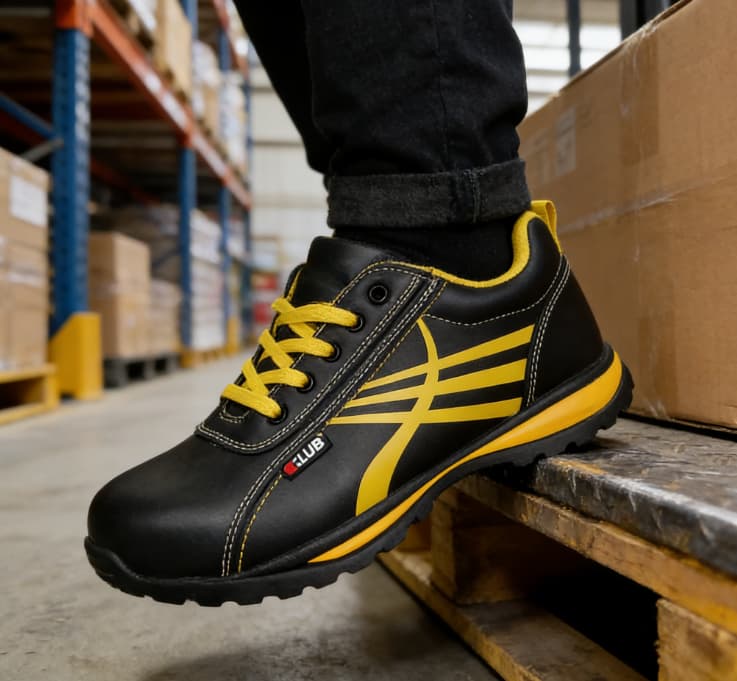
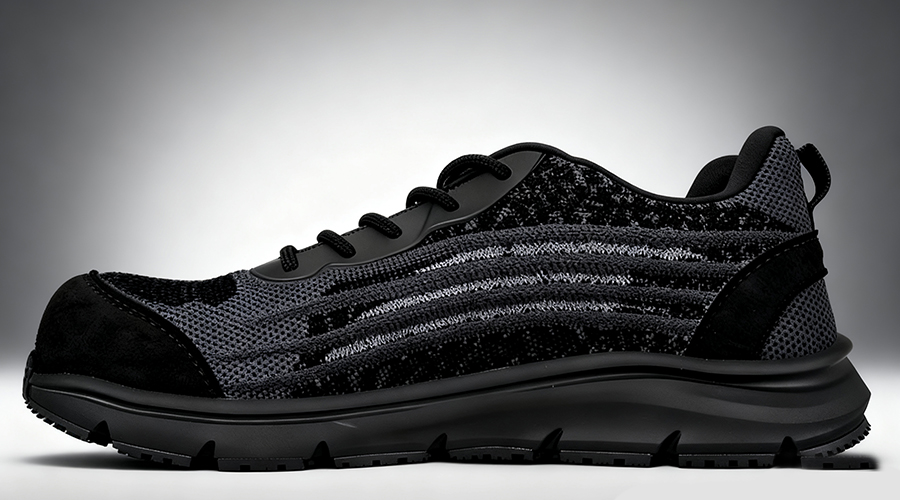
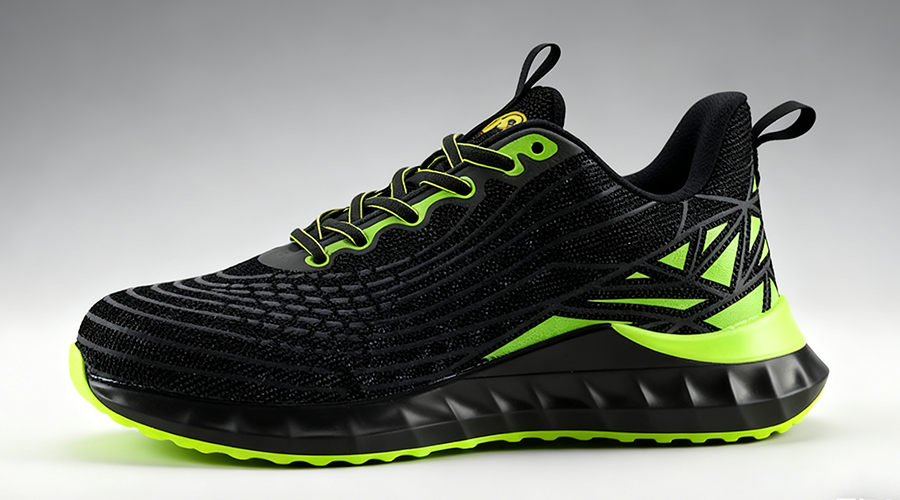
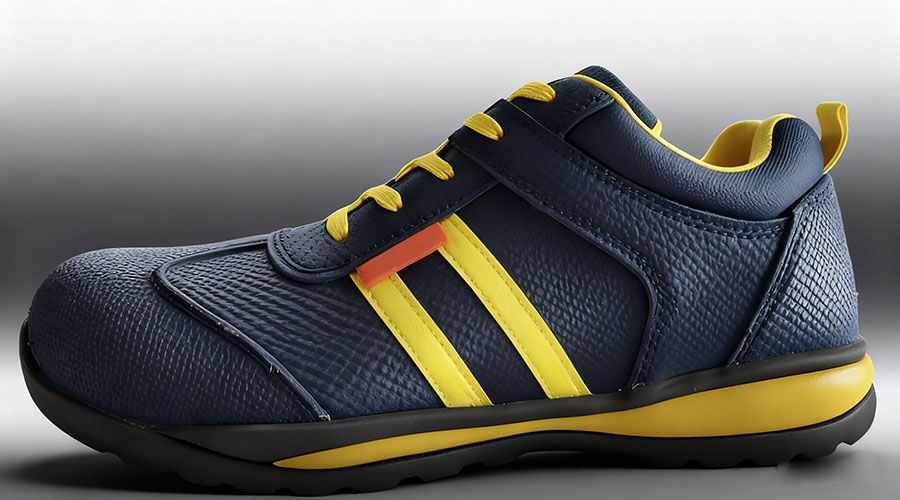
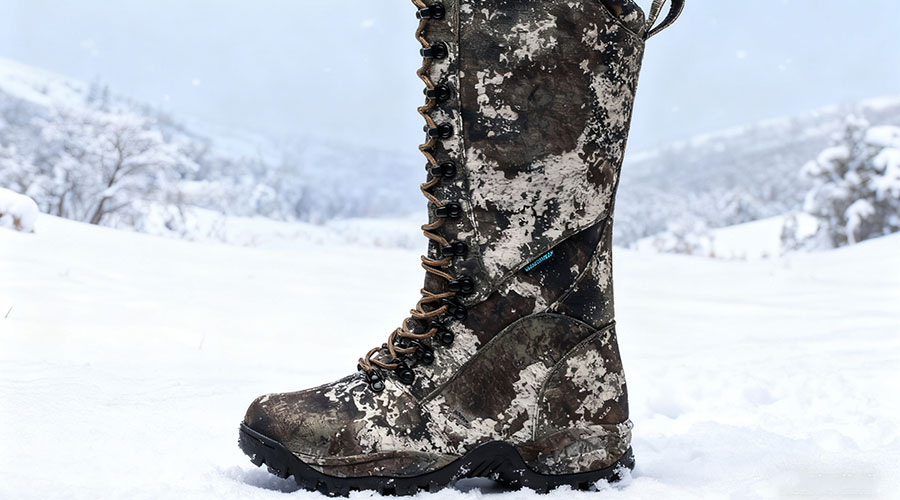



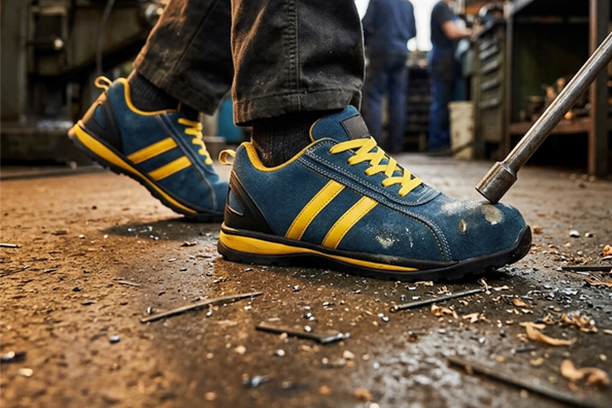
Upgrading your industrial protective footwear to premium composite-toe safety shoes! Traditional heavy steel-toe boots frequently cause painful joint strain during long twelve-hour factory shifts. Conversely, advanced non-metal carbon fiber composites absorb impacts easily without adding unnecessary dead weight.
Furthermore, this innovative hardware setup offers excellent thermal insulation for extreme outdoor work environments. Ultimately, this lightweight protective foundation shields employee wellness and boosts daily warehouse productivity metrics. Now, let us examine the core structural bottlenecks that make heavy steel footwear highly impractical.
The Weight Bottleneck: Why Traditional Steel Boots Drain Worker Energy
Every industrial safety manager understands the hidden costs of physical exhaustion on fast-moving manufacturing floors. This systemic operational problem typically stems from workers wearing heavy, outdated safety boots all day.
How Heavy Steel Footwear Accelerates Musculoskeletal Fatigue and Lower Back Strain
Lifting thick steel toes thousands of times each day places severe stress on lower leg muscles. Consequently, workers suffer from premature fatigue, which leads to dropped tools and frequent physical accidents.
This repetitive physical strain can eventually cause long-term spinal misalignment and costly worker compensation claims. Therefore, reducing footwear weight remains vital to protect the health of your industrial workforce.

Why Conducting Metal Elements Disrupt Dynamic Temperature Management
Standard iron toe caps absorb ambient temperatures quickly, making your feet freeze during cold winter outdoor runs. Conversely, they retain intense engine heat inside hot foundries, causing uncomfortable blisters and sweaty skin.
This total lack of thermal stability creates miserable working conditions that destroy employee concentration levels. For this reason, switching to high-performance lightweight protective footwear remains crucial for year-round comfort.
Technical Core: Inside the Physics of Composite Safety Materials
To surpass strict international protective standards, safety shoe engineers developed complex non-metallic material structures. Modern composite shoes blend high-tech fibers with specialized polymers to achieve incredible strength-to-weight ratios.
Harnessing Carbon Fiber and Kevlar for Elite Impact Resistance
Premium composite caps utilize woven carbon nanotubes, lightweight fiberglass, and dense ballistic Kevlar layers. These advanced materials distribute the force of sudden crushing impacts evenly across the shoe chassis.
As a result, your toes survive dangerous drop hazards matching identical steel safety ratings. Your staff gains professional-grade security without carrying thick, cumbersome metal plates on their feet.
The Strategic Operational Perks of Non-Conductive Composite Elements
Because composite materials contain zero metallic components, they do not conduct dangerous electrical currents. This critical safety feature provides an extra layer of shock protection for high-voltage electricians:
-
Zero Thermal Transfer: Keeps internal foot temperatures stable in freezing or blistering environments.
-
Airport Friendly Structures: Allows guards to pass through metal detectors smoothly without triggering alarms.
-
Complete Corrosion Resistance: Survives constant exposure to harsh industrial chemicals and pooling water.
-
Elastic Structural Memory: Bends under pressure but springs back without trapping toes inside caps.
Performance Matrix: Steel Toe Boots vs. Composite Safety Shoes
| Footwear Safety Metric | Traditional Steel Toe Boots | Premium Composite Toe Safety Shoes |
| Average Material Weight | Very heavy (Causes rapid leg fatigue) | Ultra-Lightweight (Reduces muscle strain) |
| Thermal Insulation Performance | Poor (Transfers external cold and heat) | Exceptional (Maintains stable foot comfort) |
| Electrical Hazard Security | Conductive (Higher risk around live wires) | Non-Conductive (Insulates against shocks) |
| Security Check Efficiency | Low (Triggers walk-through metal scanners) | High (Passes airport scanners instantly) |
| Cap Shape After Impact | Permanent denting (Can trap injured toes) | Elastic recovery (Retains original safe chamber) |

Strategic Workplace Benefits: Boosting Daily Output and Trimming Absenteeism
Equipping your logistics workforce with a non-metal safety boots solution yields immediate corporate financial rewards. This simple gear upgrade transforms hazardous construction zones into highly efficient, comfortable industrial work spaces.
Slicing Employee Turnaround Times in High-Security Logistics Hubs
Modern cargo warehouses utilize sensitive metal detection arches to prevent high-value inventory theft daily. Workers wearing steel boots waste precious minutes removing their shoes during every single bathroom break.
Because composite footwear glides through security checkpoints silently, your staff avoids annoying transit bottlenecks completely. This frictionless movement saves hundreds of collective labor hours over the standard fiscal year.
Lowering Employee Absenteeism Rates Through Ergonomic Shock Absorption
Chronic sore feet prompt warehouse pickers to call in sick frequently during peak winter shipping seasons. Upgrading to ergonomic composite shoes provides premium underfoot cushioning that shields fragile heel bones.
Your team members finish their shifts feeling energized, reducing sudden workforce scheduling gaps significantly. This steady labor reliability ensures your packing lines hit their daily delivery goals consistently.
Fit Blueprint: Selecting the Perfect Pair for Ultimate Foot Protection
Securing dependable sub-meter comfort requires analyzing your workplace foot dimensions according to proper orthopedic principles. Ensure your safety coordinators review these crucial fit checkpoints before purchasing bulk crew gear.
-
Measure Later in Days: Check foot sizes during afternoons when feet naturally swell from walking.
-
Verify Toe Wiggle Room: Ensure a half-inch gap exists between toes and composite walls.
-
Check Insole Arch Support: Select deep contoured foam beds to distribute body weight evenly.
-
Confirm Slip Resistance Ratings: Look for certified rubber tread patterns to prevent oily floor slips.
Following this straightforward equipment guide prevents painful pinching injuries, ensuring your crew stays happy on the job. It builds a highly reliable safety foundation that allows your warehouse teams to operate efficiently.
FAQ:
Do composite toe safety shoes meet the exact same ASTM standards as steel boots?
Yes, certified composite shoes meet identical ASTM F2413 impact and compression safety ratings as traditional steel styles. They undergo rigorous laboratory drop tests to ensure they withstand up to seventy-five foot-pounds of sudden force. You receive identical structural toe protection while enjoying a much lighter walking experience on the floor.
Can composite safety shoes crack under extreme freezing storage temperatures?
High-grade composite polymers are specifically engineered to survive intense sub-zero freezer environments without turning brittle. Unlike cheap plastics, professional industrial composites maintain their full structural flexibility down to minus twenty degrees. This extreme durability makes them the absolute best choice for cold-storage food logistics workers.
How often should industrial workers replace their composite safety shoes?
You should replace your industrial work footwear every six to twelve months depending on local workshop wear. Inspect the outer rubber soles frequently for smooth spots and check the leather seams for loose stitching. If a heavy object impacts the toe cap, replace the shoe immediately to ensure safety.
Are composite safety shoes suitable for heavy demolition construction sites?
Composite shoes offer elite protection, but heavy demolition work often requires integrated metatarsal guards for upper foot defense. For standard framing, electrical work, and warehouse driving, composite options provide more than enough safety. Always review your specific project site hazard assessment before buying new field gear.

Modernize Your Safety Protocols with Advanced Footwear
Relying on heavy steel footwear leaves your mobile workforce vulnerable to severe fatigue and chronic joint pain. You cannot maximize your supply chain velocity if your workers constantly battle sore, freezing feet. Upgrading your corporate equipment pools to incorporate premium composite toe safety shoes
Stop letting heavy, cold steel toes slow down your delivery milestones and drain employee morale this quarter. Invest in field-proven protective shoes that stabilize worker energy and deliver dependable, pain-free performance. Your safety managers will love the reduced injury logs, and your crew will appreciate the comfort. Modernize your industrial wardrobe assets today to lock in total operational precision across every shift.